• Opening Times: Mon - Sat 8.00 - 18.00
+905076532450 info@energco.com
Metro 34 İKİTELLİ, Istanbul, Turkey

Yazar: Bilal EID

107 posts

Solar energy has emerged as a sustainable and renewable source of power, revolutionizing various industries, including transportation. With the increasing global focus on reducing carbon emissions and dependence on fossil fuels, electric vehicles (EVs) have gained significant popularity. When combined with solar energy, EVs offer an even more sustainable solution for clean transportation. This article explores the potential of solar energy in powering electric vehicles and its impact on the environment, while also providing valuable insights into the practical implementation and benefits of solar-powered EVs.

Solar Energy in Transportation: Powering Electric Vehicles with the Sun

The Rise of Electric Vehicles

The surge in electric vehicle adoption has been driven by technological advancements, environmental concerns, and supportive government policies. This section provides an overview of the growth of EVs, highlighting their advantages over conventional vehicles in terms of reduced emissions, energy efficiency, and long-term cost savings.

Harnessing Solar Energy for EVs

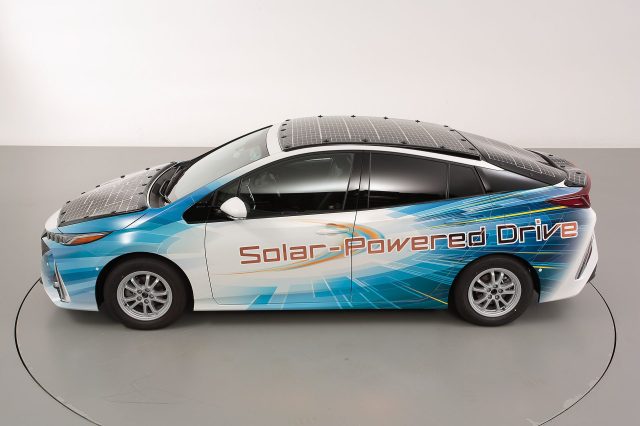
Solar energy, obtained from sunlight through photovoltaic (PV) panels, holds immense potential for powering electric vehicles. This section explores the different methods of integrating solar power into EVs, including solar panels installed on vehicle rooftops, solar carports, and solar charging stations. It delves into the technology behind solar panels, their efficiency, and the challenges associated with maximizing solar energy utilization in EVs.This organization provides valuable information on solar energy advancements, policies, and industry insights.

Benefits of Solar-Powered EVs

This section outlines the key advantages of using solar energy to power electric vehicles. It discusses the environmental benefits, such as reduced carbon footprint and air pollution, as well as the economic advantages of solar-powered EVs, such as lower fuel costs and increased energy independence. Additionally, it highlights the potential for a decentralized energy grid and the role of solar-powered EVs in balancing energy demand.

Practical Implementation and Challenges

Implementing solar energy in transportation requires a comprehensive infrastructure and supportive policies. This section examines the current state of solar-powered EV infrastructure, including solar charging stations and battery storage solutions. It also discusses the challenges and limitations of solar energy integration, such as limited range extension, battery capacity constraints, and the need for standardization in solar EV technology.The EVCA focuses on advancing EV charging infrastructure and provides insights into the latest developments and standards in electric vehicle charging.

Future Outlook and Conclusion

The final section presents an outlook on the future of solar energy in transportation and its potential to transform the way we commute. It explores ongoing research and development in solar-powered EVs, including advancements in solar panel efficiency, battery technology, and smart charging systems. The article concludes by emphasizing the significance of solar energy in reducing greenhouse gas emissions and achieving a sustainable, clean transportation future.

Solar energy offers an innovative solution for powering electric vehicles, enabling sustainable and environmentally friendly transportation. By combining solar power with EVs, we can reduce carbon emissions, decrease reliance on fossil fuels, and pave the way for a more sustainable future. As solar-powered EV technology continues to evolve, it is essential to invest in infrastructure, research, and policy support to unlock the full potential of solar energy in transportation. Embracing solar energy in the automotive industry will not only boost environmental preservation efforts but also contribute to a cleaner, greener, and more efficient transportation system.

The Solar Revolution is underway, reshaping the landscape of energy production and consumption. As the world increasingly recognizes the need for sustainable alternatives, solar power has emerged as a leading force in the global transition to clean energy. In this article, we delve into the key aspects of this revolution, exploring its benefits, advancements, and implications for the future of energy.

The Rise of Solar Power

Solar power has experienced exponential growth in recent years, becoming an integral part of the energy mix. Its widespread adoption can be attributed to several factors. First and foremost, solar energy is renewable and abundant, relying on the sun’s rays, an inexhaustible resource. By harnessing this energy, we can reduce our dependence on finite fossil fuels, contributing to a cleaner and greener future.

Benefits of Solar Energy

The benefits of solar energy extend beyond its renewable nature. Solar power systems generate electricity with minimal environmental impact. They produce no greenhouse gas emissions or air pollutants, significantly reducing our carbon footprint. Moreover, solar panels can be installed on a variety of surfaces, including rooftops and unused land, making them highly adaptable and scalable.

Advancements in Solar Technology

The solar industry has witnessed significant advancements in technology, boosting efficiency and reducing costs. Innovations such as higher-performing photovoltaic cells, improved battery storage, and sophisticated tracking systems have enhanced the viability of solar power. These advancements have made solar energy increasingly accessible to both residential and commercial users, fostering widespread adoption.

Solar Energy in the Home

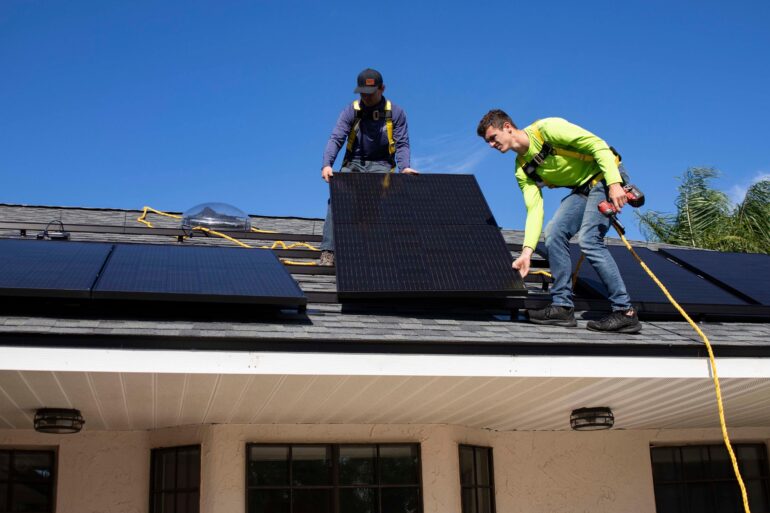
Residential solar power systems are becoming increasingly popular, empowering homeowners to generate their own electricity and reduce their reliance on the grid. With net metering programs and government incentives, homeowners can save on energy costs while contributing to a more sustainable energy grid. Solar-powered homes also benefit from increased energy independence and resilience during power outages.

Solar Energy on a Larger Scale

Solar energy is not limited to residential use; it is also playing a vital role in utility-scale projects. Large solar farms and solar parks are being developed worldwide, capable of generating substantial amounts of clean energy. These projects not only contribute to reducing carbon emissions but also create job opportunities and stimulate economic growth.

Overcoming Challenges

While the solar revolution brings immense promise, it also faces some challenges. The intermittency of sunlight and the need for efficient energy storage solutions are areas that researchers and industry experts are actively addressing. Technological advancements in battery storage and grid integration are improving solar power’s reliability and overcoming these challenges, making it a dependable energy source.

Conclusion

The solar revolution represents a fundamental shift in how we produce and consume energy. As solar power continues to grow, it offers a sustainable and viable solution to our energy needs. With its renewable nature, environmental benefits, and technological advancements, solar energy is redefining the energy landscape. Embracing the solar revolution is not only a smart choice for our planet but also a sound investment in a cleaner and brighter future.

At Energco, we understand that navigating the solar revolution and making informed decisions can be complex. That’s why we offer personalized consultation services to guide you every step of the way. Whether you’re a homeowner, business owner, or investor, our team of solar experts is here to provide the knowledge and support you need to embark on a successful solar journey.

To schedule a consultation with our solar experts, simply visit our consultation page HERE! or contact our dedicated team HERE!. At Energco, we will be delighted to discuss your solar goals, address your questions, and provide the guidance you need to embark on a successful and sustainable solar journey.

The world is currently facing a critical juncture in terms of energy usage. While fossil fuels have been the dominant source of energy for centuries, the increasing demand for energy and concerns about climate change have led to a search for alternative sources of energy. Solar energy has emerged as a viable option, but how does it compare to fossil fuels in terms of sustainability? In this article, we’ll explore the pros and cons of each energy source and argue why solar energy is the better choice for a sustainable future.

Fossil Fuels

In this section, we’ll discuss the pros and cons of fossil fuels. We’ll cover the benefits of fossil fuels, such as their abundance and low cost, as well as their negative impact on the environment, including air pollution and greenhouse gas emissions.

Solar Energy

In this section, we’ll delve into the pros and cons of solar energy. We’ll highlight the benefits of solar energy, such as its renewable nature and its lack of emissions, as well as the challenges associated with solar energy, such as its high upfront cost and intermittency.

Which is the Better Choice?

In this final section, we’ll weigh the pros and cons of each energy source and make the case for why solar energy is the better choice for a sustainable future. We’ll discuss how the decreasing cost of solar energy and the increasing efficiency of solar panels make it a more attractive option than ever before. We’ll also discuss how the use of solar energy can help reduce greenhouse gas emissions and mitigate the negative effects of climate change.

In conclusion, while fossil fuels have been the dominant source of energy for centuries, they are not sustainable in the long term. Solar energy, on the other hand, offers a renewable and clean alternative that can help us build a more sustainable future. While there are challenges associated with solar energy, such as its high upfront cost, the decreasing cost and increasing efficiency of solar panels make it an increasingly viable option. As we continue to search for ways to reduce our impact on the environment and mitigate the effects of climate change, solar energy is a key part of the solution.

When choosing a solar system, it’s important to consider your energy needs. Our consultation page on assessing your energy needs can help you determine how much energy you could generate with a solar system.

Do you think that solar energy is the better choice for a sustainable future? Why or why not? tell us in comments !

Solar power systems are a rapidly growing source of renewable energy that has the potential to revolutionize the way we power our homes and businesses. Solar panels harness the power of the sun to produce clean, renewable energy, and are becoming increasingly popular among environmentally conscious individuals and organizations. But how exactly do solar power systems work, and how can they be integrated into our homes and businesses? In this comprehensive guide, we’ll take a deep dive into the inner workings of solar power systems, from the photovoltaic cells in solar panels to connecting to the grid, and everything in between.

How Solar Panels Work?

Solar panels are made up of photovoltaic cells that convert sunlight into direct current (DC) electricity. These panels are typically installed on rooftops or in open areas that receive plenty of sunlight. As the sun’s rays hit the panels, the cells in the panels absorb the photons and knock electrons loose from their atoms, creating a flow of electricity.

Inverters and Batteries

The electricity generated by solar panels is DC electricity, but most homes and businesses use alternating current (AC) electricity. This is where inverters come in. Inverters convert the DC electricity into AC electricity that can be used to power your home or business. If you have a battery backup system, the excess electricity generated by your solar panels can be stored in batteries for use during times when the sun isn’t shining.

Net Metering

Net metering is a system that allows homeowners and businesses to receive credit for any excess electricity their solar panels generate. If you generate more electricity than you use, that excess electricity is sent back to the grid, and you receive a credit on your electricity bill. This credit can be used to offset the cost of electricity you use from the grid during times when your solar panels aren’t generating enough electricity to meet your needs.

Connecting to the Grid

In order to use solar energy to power your home or business, you’ll need to connect your solar panels to the grid. This is done by installing a special meter that measures how much electricity your solar panels are generating and how much electricity you’re using from the grid. When you generate more electricity than you use, that excess electricity is sent back to the grid, and you receive a credit on your electricity bill.

Conclusion:

Solar energy systems are complex, but they’re also incredibly effective at generating clean, renewable energy. By understanding how solar panels work, how inverters and batteries function, how net metering can help you save money, and how to connect to the grid, you can make an informed decision about whether solar energy is right for you. So go ahead and harness the power of the sun – your wallet (and the planet) will thank you.

By harnessing the power of the sun, solar energy systems provide a clean, renewable source of electricity that can help us reduce our carbon footprint and combat climate change, while also providing economic benefits and energy independence.

We hope this article has been informative and helpful in understanding how solar energy systems work. If you have any questions or comments about solar energy, please feel free to leave them below – we’d love to hear from you!

With climate change becoming an increasingly pressing concern, many people are looking for ways to reduce their carbon footprint and live more sustainably. One solution that is growing in popularity is solar energy. Not only is solar energy a clean and renewable source of energy, but it can also save homeowners money on their energy bills. In this article, we’ll explore the benefits of solar energy and how it can help you live a more eco-friendly lifestyle.

The Benefits of Solar Energy:

Sustainable and Renewable:

Unlike fossil fuels, solar energy is a sustainable and renewable source of energy. The sun is a constant source of energy, and solar panels can convert that energy into electricity without producing any greenhouse gas emissions.

Saves Money:

While the initial cost of installing solar panels can be high, solar energy can save homeowners money on their energy bills in the long run. With solar panels, you can generate your own electricity and reduce your reliance on the grid.

Increases Home Value:

Homes with solar panels installed are generally more valuable than those without. Studies have shown that homes with solar panels can sell for up to 4% more than homes without them.

Low Maintenance:

Solar panels are relatively low maintenance and can last for up to 25 years or more. They require very little upkeep, and any necessary repairs are usually covered by the manufacturer’s warranty.

How to Go Solar?

Determine Your Energy Needs:

Before you install solar panels, you’ll need to determine how much energy your household uses. This will help you determine how many solar panels you’ll need to install. You can also contact our Energco team for consultation.

Choose a Solar Installer:

When choosing a solar installer, it’s important to do your research. Look for a reputable company with a track record of successful installations. However Energco can help you to find solar installers near you! contact us for more info

Install Solar Panels:

Once you’ve chosen a solar installer, they will work with you to design and install your solar panels. The installation process can take anywhere from a few days to a few weeks, depending on the size of your system.

Enjoy the Benefits:

Once your solar panels are installed, you can start enjoying the benefits of solar energy. Not only will you be reducing your carbon footprint, but you’ll also be saving money on your energy bills.

Solar energy is a sustainable and eco-friendly solution for energy consumption. While the initial cost of installing solar panels can be high, the long-term benefits are worth it. With solar energy, you can reduce your carbon footprint, save money on your energy bills, and increase the value of your home. If you’re looking to go green, solar energy is a great place to start.

Solar energy is becoming an increasingly popular alternative to traditional forms of energy. This is because of its many benefits and advantages, including lower energy costs, a cleaner environment, and increased energy independence. In this article, we’ll take a closer look at solar energy and explore some of the ways it can benefit you.

What is Solar Energy?

Solar energy is the energy that comes from the sun. It is harnessed using solar panels, which are designed to convert sunlight into electricity. Solar panels are made up of photovoltaic (PV) cells, which are made from silicon or other materials. When sunlight hits these cells, it causes electrons to move, generating an electrical current.“According to the U.S. https://www.energy.gov/eere/solar/solar-energy-technologies-officeDepartment of Energy’s Solar Energy Technologies Office, solar energy is becoming an increasingly popular alternative to traditional forms of energy.”

Benefits of Solar Energy

Lower Energy Costs

One of the biggest benefits of solar energy is that it can help lower your energy costs. By generating your own electricity, you can reduce your reliance on the grid and avoid paying high utility bills. In some cases, you may even be able to sell excess energy back to the grid, further reducing your costs.

Cleaner Environment

Another major benefit of solar energy is that it is a clean and renewable source of energy. Unlike fossil fuels, solar energy does not produce greenhouse gas emissions or other harmful pollutants. By using solar energy, you can reduce your carbon footprint and contribute to a cleaner environment.

Increased Energy Independence

By generating your own electricity with solar panels, you can become more energy independent. This can be especially important in areas where energy prices are high or where power outages are common. With solar energy, you can be sure that you will always have access to a reliable source of electricity.

Advantages of Solar Energy

Low Maintenance Costs

Solar panels require very little maintenance, making them a cost-effective option for homeowners and businesses. Once installed, solar panels can last for decades with minimal upkeep.

Increased Property Value

Homes and businesses with solar panels installed are often more attractive to buyers. This is because solar energy is a valuable and desirable feature that can increase property value.“The International Energy Agency’s Solar Heating and Cooling Programme is focused on advancing the use of solar energy for heating and cooling applications.”

Government Incentives

Many governments offer incentives for homeowners and businesses that invest in solar energy. These incentives can include tax credits, rebates, and other financial incentives that can help offset the cost of installing solar panels.

Solar energy is a clean, renewable, and cost-effective source of energy that has many benefits and advantages. By investing in solar panels, you can lower your energy costs, reduce your carbon footprint, and become more energy independent. Additionally, solar panels require very little maintenance and can increase your property value. With government incentives and a growing market, now is a great time to consider investing in solar energy.

At Energco, we offer a variety of solar consultation services to help you choose the right system for your needs. Learn more about our services here.”

تركيا تعد واحدة من الدول الرائدة في مجال الطاقة الشمسية، وتهدف الحكومة التركية إلى زيادة حصتها من الطاقة المتجددة في إمدادات الكهرباء إلى 30٪ بحلول عام 2023. ومن أجل تحقيق هذا الهدف، فإن الحكومة التركية قامت بتبني عدد من السياسات والبرامج الحكومية لتشجيع ودعم مشاريع الطاقة الشمسية.

تركيا تعد من الدول الرائدة في توليد الطاقة الشمسية، حيث توجد في البلاد شروط جيدة للطاقة الشمسية وتدفق الإشعاع الشمسي طوال العام. ومن أجل دعم تطوير مشاريع الطاقة الشمسية في البلاد، فإن الحكومة التركية قامت بتبني عدد من السياسات والبرامج الحكومية لتشجيع ودعم مشاريع الطاقة الشمسية، ومن بين هذه السياسات:

1- نظام الشراء الضماني للكهرباء المتجددة (YEKDEM):

يقوم هذا النظام بشراء الكهرباء الناتجة عن مصادر الطاقة المتجددة مثل الطاقة الشمسية بأسعار عالية، مما يحفز المستثمرين على إنشاء مشاريع جديدة.

2- برنامج الدعم المالي لتطوير مشاريع الطاقة المتجددة (YEKA):

يهدف هذا البرنامج إلى تشجيع تطوير مشاريع الطاقة المتجددة في البلاد، بما في ذلك مشاريع الطاقة الشمسية، ويوفر البرنامج تمويلًا ماليًا للمشاريع بما يصل إلى 80٪ من التكلفة الإجمالية للمشروع.

بالإضافة إلى ذلك، تقدم الحكومة التركية برنامج دعم الطاقة الشمسية للمنازل لتشجيع المواطنين على تركيب أنظمة الطاقة الشمسية على منازلهم، حيث تغطي الحكومة نسبة من تكاليف التركيب. وتوفر الحكومة التركية أيضًا إعفاءات ضريبية للمستثمرين في مشاريع الطاقة الشمسية، بما في ذلك إعفاء من ضريبة الدخل وضريبة القيمة المضافة للمعدات الخاصة بالطاقة الشمسية.

أخيرًا، يقوم برنامج دعم تكنولوجيا الطاقة الشمسية بتوفير الدعم الفني والتقني للشركات المصنعة للأجهزة والمعدات الخاصة بالطاقة الشمسية، وهذا يساعد في تحسين جودة المنتجات وتخفيض تكلفة التصنيع والإنتاج.

ويمكن القول إن اليات الدعم الحكومي في تركيا لمشاريع الطاقة الشمسية تعد من بين الأكثر شمولًا ودعمًا في المنطقة، حيث تعمل على تخفيض التكلفة وتشجيع المستثمرين على المشاركة في هذا القطاع المهم. ومن المتوقع أن يستمر الدعم الحكومي في الفترة المقبلة، حيث تسعى الحكومة التركية لتعزيز الاستدامة البيئية وتحقيق أهداف التنمية المستدامة.

كما تتوفر الكثير من الشركات التي تعمل في السوق التركي والمتخصصة في  المشاريع الاستثمارية في قطاع الطاقة الشمسية بالتعاقد مع الحكومة التركية.

The world is at a turning point when it comes to energy. Fossil fuels, the primary source of energy for the past century, are rapidly depleting and producing harmful greenhouse gas emissions. Meanwhile, the demand for energy is only increasing, making it imperative to find alternative sources of energy that are sustainable, clean, and efficient. This is where solar energy comes in.

Solar energy has been around for decades, but it’s only in recent years that it has gained widespread recognition as a viable source of energy for homes, businesses, and communities. The solar revolution is upon us, and it’s transforming the energy landscape in ways that are beneficial to both people and the planet.

So, what is solar energy, and how does it work?

Solar energy is the energy that comes from the sun. It’s a clean, renewable, and abundant source of energy that can be harnessed using solar panels. Solar panels consist of photovoltaic cells that convert sunlight into electricity. When sunlight hits the solar panels, the photons in the sunlight knock electrons free from atoms in the photovoltaic cells. This flow of electrons creates an electrical current that can be used to power homes, businesses, and even entire communities.

The benefits of solar energy are many. For one, it’s a clean source of energy that produces no greenhouse gas emissions. This means that solar energy doesn’t contribute to climate change or air pollution, making it an ideal source of energy for a sustainable future. Additionally, solar energy is renewable, meaning it will never run out. And since it comes from the sun, it’s a source of energy that’s available to everyone, regardless of their location.

The solar revolution is transforming the energy landscape in many ways. One of the most significant changes is the democratization of energy. In the past, energy was produced by large power companies and distributed to consumers through a centralized grid. But with the advent of solar energy, individuals and communities can produce their own energy using solar panels. This has the potential to revolutionize the energy sector by making it more decentralized and democratized.

Another significant change brought about by the solar revolution is the creation of new job opportunities. As the demand for solar energy increases, so does the need for skilled workers who can install, maintain, and repair solar panels. This has the potential to create millions of new jobs around the world, particularly in developing countries where access to energy is still limited.

Finally, the solar revolution is helping to combat climate change. By reducing our reliance on fossil fuels and transitioning to clean, renewable energy sources like solar, we can reduce our carbon footprint and slow the pace of global warming. This is crucial for the future of our planet and the well-being of future generations.

In conclusion, the solar revolution is transforming the energy landscape in many positive ways. By harnessing the power of the sun, we can create a sustainable future that benefits both people and the planet. Whether you’re a homeowner, business owner, or community leader, there’s never been a better time to embrace solar energy and join the solar revolution,contact a professional company to guide you how to do this


As the demand for renewable energy continues to grow, the solar energy industry has become an exciting and rewarding field for professionals looking to advance their careers. One way to achieve this advancement is through professional development, which can help you gain the knowledge and skills you need to stay competitive in the industry. In this article, we will explore the benefits of professional development in the solar energy industry and why you should consider investing in it.

1.Stay up-to-date with industry advancements

The solar energy industry is constantly evolving, with new technologies, policies, and regulations emerging all the time. By participating in professional development opportunities, you can stay current with these changes and keep your skills relevant. This will help you stay competitive in the job market and position yourself as an expert in the field.

2.Expand your network

Professional development events such as conferences, workshops, and seminars provide opportunities to meet and connect with other professionals in the solar energy industry. These connections can be valuable for building your network, finding job opportunities, and staying informed about industry trends. By attending these events, you can also learn from other professionals’ experiences and gain valuable insights into the industry.

3.Gain new skills and knowledge

Professional development opportunities can help you acquire new skills and knowledge that are relevant to your job or career goals. For example, you may be interested in learning about the latest solar panel technologies or the best practices for designing and installing solar energy systems. By investing in professional development, you can acquire these skills and knowledge and become a more valuable asset to your employer.

4.Increase your earning potential

As you gain new skills and knowledge through professional development, you become a more valuable asset to your employer. This can translate to higher pay and better job opportunities. Employers are often willing to pay more for professionals who have demonstrated a commitment to professional development and a willingness to learn and grow in their careers.

5.Enhance your job satisfaction

Professional development opportunities can also enhance your job satisfaction by providing you with new challenges and opportunities for growth. By investing in your career development, you can take ownership of your career and feel more fulfilled in your work. This can lead to increased job satisfaction and a more positive outlook on your career.

In conclusion, professional development is an essential part of advancing your career in the solar energy industry. By staying current with industry advancements, expanding your network, gaining new skills and knowledge, increasing your earning potential, and enhancing your job satisfaction, you can position yourself as a leader in the field and achieve your career goals. So, invest in yourself and your career today by exploring the many professional development opportunities available in the solar energy industry.

The world is in the midst of a renewable energy revolution, as countries around the globe work to transition away from fossil fuels and towards cleaner, more sustainable sources of power. At the forefront of this movement is solar energy, which is rapidly becoming one of the most popular forms of renewable energy.

But with the growth of the solar industry comes a need for skilled workers who can design, install, and maintain solar systems. That’s why training in solar energy is becoming an increasingly smart investment for those looking to start or advance their careers.

Renewable energy sources like solar power are expected to create millions of new jobs in the coming years, with the solar industry alone projected to add over 100,000 new jobs in the United States by 2030. And as the demand for solar energy continues to grow, so does the need for workers with the skills and knowledge to install and maintain these systems.

But it’s not just the job market that makes training in solar energy a smart investment. Solar energy is also becoming more affordable and accessible, with the cost of solar panels and installation dropping dramatically in recent years. This means that more homeowners, businesses, and governments are turning to solar power as a way to save money on their energy bills and reduce their carbon footprint.

As a result, there is a growing need for skilled professionals who can help customers design and install solar systems that meet their unique needs. And by investing in training and education in solar energy, individuals can position themselves to take advantage of this growing market and help accelerate the transition to a clean energy future.

So whether you’re a recent graduate looking to start your career or an experienced professional looking to make a career change, training in solar energy is a smart investment that can pay dividends for years to come. With the renewable energy revolution in full swing, there has never been a better time to get involved in this exciting and rapidly growing industry.