
• Opening Times: Mon - Sat 8.00 - 18.00
+905076532450 info@energco.com
Metro 34 İKİTELLİ, Istanbul, Turkey

Gün: 18 Mayıs 2023

2 posts

In recent years, solar energy has emerged as a game-changer in the global energy landscape. With its ability to harness the power of the sun and produce clean, renewable electricity, solar energy has the potential to transform the way we generate power and mitigate the impact of climate change. This article explores the future prospects of solar energy, highlighting the emerging trends and providing insightful forecasts that can help shape the energy industry.

Growing Demand and Falling Costs

As the world becomes increasingly aware of the need for sustainable energy sources, the demand for solar power continues to rise. Advances in technology, manufacturing processes, and economies of scale have contributed to significant cost reductions in solar panels, making them more accessible to consumers and businesses alike. The article examines how this growing demand and declining costs will drive the future growth of solar energy.

Technological Innovations

The solar energy industry is witnessing remarkable technological advancements that are enhancing the efficiency and effectiveness of solar panels. From more efficient photovoltaic cells to innovative storage solutions, these innovations are expanding the capabilities of solar power systems. This section explores the latest breakthroughs and their implications for the future of solar energy.

Integration with Smart Grids and Energy Storage

One of the key challenges for solar energy has been intermittency—the fact that solar power generation depends on sunlight availability. However, the integration of solar energy with smart grids and energy storage technologies is revolutionizing the industry. This section delves into the potential of these advancements to make solar energy a reliable and consistent source of power.

Global Market Projections

The solar energy market is projected to witness substantial growth in the coming years. This section provides a comprehensive analysis of market trends, regional developments, and forecasts for the future. It highlights key markets and identifies opportunities for businesses and investors in the solar energy sector.

Conclusion

Solar energy holds immense potential as a clean, renewable energy source with the ability to mitigate climate change and reduce dependence on fossil fuels. By exploring the future prospects of solar energy and understanding emerging trends and forecasts, businesses, investors, and policymakers can make informed decisions that contribute to a sustainable energy future.
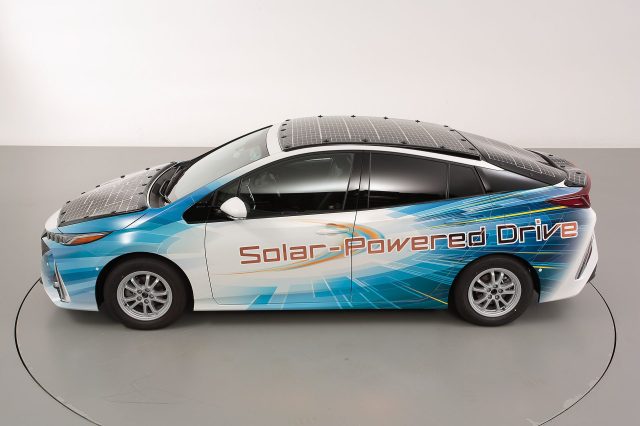
Solar energy has emerged as a sustainable and renewable source of power, revolutionizing various industries, including transportation. With the increasing global focus on reducing carbon emissions and dependence on fossil fuels, electric vehicles (EVs) have gained significant popularity. When combined with solar energy, EVs offer an even more sustainable solution for clean transportation. This article explores the potential of solar energy in powering electric vehicles and its impact on the environment, while also providing valuable insights into the practical implementation and benefits of solar-powered EVs.

Solar Energy in Transportation: Powering Electric Vehicles with the Sun

The Rise of Electric Vehicles

The surge in electric vehicle adoption has been driven by technological advancements, environmental concerns, and supportive government policies. This section provides an overview of the growth of EVs, highlighting their advantages over conventional vehicles in terms of reduced emissions, energy efficiency, and long-term cost savings.

Harnessing Solar Energy for EVs

Solar energy, obtained from sunlight through photovoltaic (PV) panels, holds immense potential for powering electric vehicles. This section explores the different methods of integrating solar power into EVs, including solar panels installed on vehicle rooftops, solar carports, and solar charging stations. It delves into the technology behind solar panels, their efficiency, and the challenges associated with maximizing solar energy utilization in EVs.This organization provides valuable information on solar energy advancements, policies, and industry insights.

Benefits of Solar-Powered EVs

This section outlines the key advantages of using solar energy to power electric vehicles. It discusses the environmental benefits, such as reduced carbon footprint and air pollution, as well as the economic advantages of solar-powered EVs, such as lower fuel costs and increased energy independence. Additionally, it highlights the potential for a decentralized energy grid and the role of solar-powered EVs in balancing energy demand.

Practical Implementation and Challenges

Implementing solar energy in transportation requires a comprehensive infrastructure and supportive policies. This section examines the current state of solar-powered EV infrastructure, including solar charging stations and battery storage solutions. It also discusses the challenges and limitations of solar energy integration, such as limited range extension, battery capacity constraints, and the need for standardization in solar EV technology.The EVCA focuses on advancing EV charging infrastructure and provides insights into the latest developments and standards in electric vehicle charging.

Future Outlook and Conclusion

The final section presents an outlook on the future of solar energy in transportation and its potential to transform the way we commute. It explores ongoing research and development in solar-powered EVs, including advancements in solar panel efficiency, battery technology, and smart charging systems. The article concludes by emphasizing the significance of solar energy in reducing greenhouse gas emissions and achieving a sustainable, clean transportation future.

Solar energy offers an innovative solution for powering electric vehicles, enabling sustainable and environmentally friendly transportation. By combining solar power with EVs, we can reduce carbon emissions, decrease reliance on fossil fuels, and pave the way for a more sustainable future. As solar-powered EV technology continues to evolve, it is essential to invest in infrastructure, research, and policy support to unlock the full potential of solar energy in transportation. Embracing solar energy in the automotive industry will not only boost environmental preservation efforts but also contribute to a cleaner, greener, and more efficient transportation system.