• Opening Times: Mon - Sat 8.00 - 18.00
+905076532450 info@energco.com
Metro 34 İKİTELLİ, Istanbul, Turkey

التصنيف: Energy News

47 posts

The Turkish government aims to establish a new mechanism to support fresh renewable energy projects in the country, which has received support from the EBRD, one of the major investors in Turkey

Andi Aranitasi, a senior banker at the European Bank for Reconstruction and Development (EBRD), said yesterday that they support Turkey’s bid to prepare a new renewable energy support mechanism for investments after 2020.

The EBRD official said that currently not having a guarantee purchase price makes Turkey’s renewable energy projects more challenging to finance because it requires lenders to make long-term price forecasts and to bear market risk.

It will still be possible to finance good renewable projects but the financing structures would be more conservative, he said, adding that the government would like to go with a different system other than the current Renewable Energy Support Mechanism (YEKDEM).

Turkey has feed-in-tariffs for renewable energy power plants under the YEKDEM. The feed-in-tariffs are $0.133 for solar and biomass, $0.105 for geothermal, $0.073 for wind and hydro plants and it is valid for 10 years.

The Energy and Natural Resources Ministry plans to end YEKDEM by 2020 and it is yet uncertain what will happen after its termination.

“They are intending to come up with a new mechanism on how to support renewables. As the EBRD, we are working with the ministry to see whether we can come up with a new scheme which hopefully they will announce toward the end of this year that will support the renewables after 2020,” Aranitasi said.

“Still the idea is to offer minimum guarantee for revenues. I think if we manage to achieve [this], it will allow renewables to continue to grow – even the guarantee is minimum, it will be enough to support. Renewables are big cornerstones of Turkish energy strategy,” he said.

Aranitasi gave the examples of North Africa, Latin America and Gulf States where purchase agreement prices for solar have come down to $0.02-$0.025 and is valid for 20 years.

“The new scheme will be a different form of support but it will be enough to allow the renewables to grow,” he underlined.

He also said that renewable resources are very significant in terms of the EBRD’s investment in Turkey, which is over 1.8 billion euros ($2.12 billion) since they started working there 10 years ago.

Aranitasi explained that about 1.6 billion euros of the total amount has been channeled to power sector in Turkey.

“A total of 850 million euros is actually for renewables and 550 million euros for distribution of both electricity and gas. We have invested around 175 million euros for gas fired power plants. Our energy portfolio is performing well and renewable energy projects are doing somewhat better than other projects,” he said.

Aranitasi indicated that the EBRD offers Turkish companies tailored multi-currency loans to meet their financing needs.

He reminded the media that earlier this year the bank has supported a major milestone in the privatization of state-owned power plants in Turkey with a $55 million dual currency loan where $35 million in dollars and the equivalent of $20 million in Turkish lira to Entek Elektrik Üretimi AŞ, a subsidiary of one of the Turkey’s largest conglomerates, Koç Holding.

“There are companies borrowing in dollars but usually their revenues are dollar indexed, like in the case of YEKDEM renewables. Where our borrowers have revenues mostly in Turkish lira, we also try to lend in lira to match the revenue stream to their debt obligations,” he explained.

In Turkey, some companies – and among them energy companies – asked for restructuring of their debts to banks due to floating exchange rates as they borrowed in dollars.

The Turkish private sector has invested $95 billion in the last 10 years in electricity generation and around $60 billion of this amount have been borrowed from banks, of which are mostly Turkish banks, a Turkish Industrialists and Businessmen Association (TÜSIAD) report showed.

The current debt stands at $43 billion while $37 billion of this amount belongs to Turkish banks. Of the $37 billion, YEKDEM projects have a share of around $22 billion while $15 billion is for other gas, domestic and imported coal power plants.

“Our financing structures are robust and so far no energy company has requested restructuring of an EBRD loan,” Aranitasi pointed out.

Aranitasi also said that the EBRD traditionally invests annually around 200-300 million euros in the power sector in Turkey and aims at maintaining the same level next year.

He also reminded the EBRD supported Turkey’s Akfen Renewable Energy with $102 million for 13 renewable power plants last week.

“We may announce one more project in the last quarter,” he said, refraining from sharing further details.

Since 2009, the EBRD has invested nearly 11 billion euros in Turkey – a top destination for the bank’s finance.

In 2017 alone, the EBRD invested 1.6 billion euros in 51 projects in the country – nearly a third of this financing was provided in Turkish lira. Half of the bank’s portfolio in Turkey constitutes investments that promote sustainable energy and resource use.

Source of news:
https://www.dailysabah.com/energy/2018/09/25/ebrd-to-back-turkeys-new-renewable-energy-support-plan?fbclid=iwar0gfasgpcebsx4wpm0mxfccja0qokage7ghhbasr-gj6wujt4fwnhg3cqe

يتوقع أن يصل إنتاج تركيا من الطاقة الشمسية إلى 14 جيجاواط بحلول عام 2023، لتدخل البلاد ضمن أكبر أسواق الطاقة الشمسية في العالم، وذلك وفق خريطة الطريق التي أصدرتها جمعية الطاقة الشمسية التركية “GÜNDER”.

وتعد ألمانيا أكبر منتج للطاقة الشمسية في العالم  بقدرة “38.2 جيجاواط”، تليها الصين ب 28.2 جيجاواط”، ثم اليابان بـ23.3 جيجاواط، وإيطاليا “18.5 جيجاواط”.

ووفقاً لخريطة الطريق، فإن تركيا قد تحقق 38 جيجاواط من الطاقة الشمسية المركبة بحلول عام 2030. وإذا ما تم تحقيق هذا الهدف، فستتجاوز النتيجة المتوقعة لعام 2030 الهدف البالغ 15 جيجاواط الذي حددته الحكومة التركية لعام 2027 بأكثر من 20 جيجاواط.

واستدل تقرير الجمعية بالدراسة الأخيرة التي أصدرها “مركز شورى للطاقة الانتقالية” بعنوان “زيادة حصة مصادر الطاقة المتجددة في نظام الطاقة التركي: خيارات لتوسعة الإرسال والمرونة”.

وتوقعت هذه الدراسة بأنه في ظل ظروف التنمية الإيجابية، يمكن للطاقة الشمسية وطاقة الرياح أن تصل إلى طاقة تراكمية قدرها 30 جيجاواط بحلول عام 2030. ووجد مؤلفو هذه الدراسة أيضًا أن من الممكن أن يصل إنتاج طاقة الرياح والطاقة الشمسية إلى 40 جيجاواط، دون استثمارات إضافية من المؤسسة التركية لتوزيع الطاقة الكهربائية (TEDAŞ).

ويشير تقرير “GÜNDER إلى أن تحسين ظروف التمويل والإجراءات البيروقراطية لتطوير المشاريع الكهروضوئية من جميع الأنواع أمر ضروري لتحقيق هذه الأهداف الطموحة.

وأضاف أن تحقيق هذا الإنجاز يعتمد على الحالة الاقتصادية الكلية للبلد، لا سيما بعد الانخفاض الكبير الذي شهدته الليرة التركية في الأشهر الماضية.

وبحسب التقرير فمن غير المتوقع أن تشهد سوق الألواح الضوئية المحلية نفس النمو الكبير الذي سجلته بين عامي 2016 و2017، حين أنتجت 2.5 جيجاواط من الطاقة الشمسية.

مصدر الخبر:

https://www.turkpress.co/node/53429?fbclid=IwAR2meTueCY2tQJ_n2shwDd1TugwgpguBMdtufP5gEcVdSiSY01I0n7JwY7A

ينتاب الخبراء الحماس حول محطات الطاقة الشمسية المقترحة في جنوب شرق إنجلترا وما يمكن أن يعنيه للمستقبل بدون وقود أحفوري

ستقوم وزارة الخارجية بمراجعة أكبر محطة للطاقة الشمسية تم اقتراحها على الإطلاق في المملكة المتحدة في غضون الأشهر الستة المقبلة. سوف تشغل محطة كليفي هيل الشمسية الساحل الشمالي من كينت ، وإذا تم تشييدها ، فإنها توفر قدرة توليد تصل إلى 350 ميغاواط.

وتهدف الخطة إلى إنشاء كليف هيل لتوليد الكهرباء بأقل تكلفة على شبكة المملكة المتحدة دون الحاجة إلى إعانات للبقاء على قيد الحياة. كانت هناك منشآت شمسية خالية من الإعانات من قبل ، ولكن لا شيء مثل تطوير كليفي هيل ألف فدان. وسيشمل المصنع أيضًا تخزين البطارية – مما يمنح المشغلين خيار تخزين الطاقة عندما يكون سعر الكهرباء منخفضًا ويبيعه عندما يكون مرتفعًا.

فلماذا هذه اللحظة المميزة بالنسبة لإمدادات الكهرباء في المملكة المتحدة؟ حسنا ، هناك الآن ما يقارب من مليون لوحة شمسية في المملكة المتحدة ، والتي تشمل كل شيء من تلك التي شنت على الأسطح إلى المزارع التي تحتل حقول بأكملها.

وقد تضاءل معدل الانتشار وتراجع على مدى السنوات العشر الماضية – وهو ما يحدده مستوى الدعم الذي كانت الحكومة مستعدة لتقديمه. عندما كانت الإعانات عالية ، نما معدل التثبيت بشكل كبير ، مع تضاعف عدد مرات التركيب كل بضعة أشهر. عندما انخفضت الإعانات ، تراجعت معدلات التثبيت.

تشرف الحكومة حتى الآن على نمو الطاقة الشمسية من خلال التحكم في الإعانات. نموذج النمو والازدهار هذا يعني أن الشركات فشلت وفقد عمال التركيب وظائفهم في الأوقات السيئة ، وتم إنشاء الشركات أو تغيير نماذج الأعمال في الأوقات الجيدة.

اليوم ، معدل التثبيت منخفض جدًا نظرًا لعدم وجود أي دعم تقريبًا ، ومن الصعب جدًا كسب المال من الطاقة الشمسية. ومع ذلك ، يمكن أن تظهر كليف هيل أن المال يمكن أن يتم بدون دعم ، وحيث يذهب أحد المشاريع يذهب الآخر. قد يكون هذا هو الوقت الذي تبدأ فيه منشآت الطاقة الشمسية في النمو مرة أخرى.

الطاقة الشمسية الصغيرة والكبيرة الحجم

عندما بدأنا في شيفيلد سولار ، وهي مجموعة بحثية مقرها جامعة شيفيلد ، في البحث عن تأثير الطاقة الشمسية على شبكة الكهرباء في المملكة المتحدة في عام 2010 ، تساءلنا عما سيحدث عندما يصبح توليد الطاقة الشمسية رخيصًا إلى الحد الذي لم تستطع الحكومة السيطرة على نمو التثبيت بعد الآن عن طريق الإعانات والحوافز.

يبدو أن كليف هيل يمثل اللحظة التي تصبح فيها الطاقة الشمسية معتمدة على الذات. لكن ربما الأمر ليس بهذه البساطة. إن Cleve Hill منطقية من الناحية المالية لأنها كبيرة جدًا.

يأتي بعض الدعم العام للطاقة الناتجة عن الخلايا الكهروضوئية (PV) ، وهي التكنولوجيا التي تحول ضوء الشمس إلى كهرباء ، من اندماجها السهل في البيئة المبنية. تعتبر الألواح الشمسية على الأسقف منطقية للجمهور لأن توليد الكهرباء يحدث عند نقطة الاستخدام. إن المحطات الشمسية ذات معنى للمستثمرين لأنها أرخص من حيث التركيب لكل وحدة من وحدات الكهرباء ولكن أيضا أكبر – لذلك يمكن الوصول إلى التمويل من خلال أجزاء أكبر ويمكن للمستثمرين كسب المزيد من المال.

المصدر الرئيسي:

https://www.independent.co.uk/environment/solar-farm-renewable-energy-kent-a8455971.html?fbclid=IwAR1KMcjnHfAc81Rhs-Gbfjp6LE-fm2912LMP7oJnraoIiKuI97GNB_lA5rw

Exergy, a subsidiary of Italy’s Maccaferri Industrial Group, has attained the Turkish Certification for local manufacturing of generators thanks to collaboration with Nidec ASI, a multinational specialized in heavy duty industrial applications, according to a press release from Exergy, the producer of the Organic Rankine Cycle (ORC) systems for electricity production from renewable energy sources and waste heat resources.

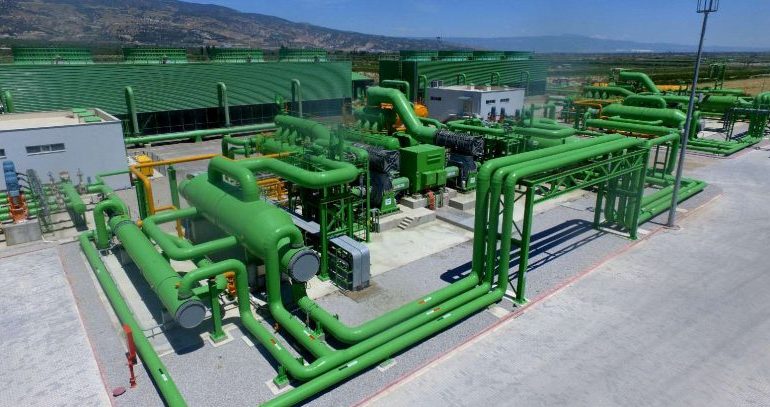
As a result, the first Made-in-Turkey generator ever supplied in the Turkish market, designed by Nidec ASI, will be installed on a 10 MWe geothermal power plant for Exergy’s customer Kiper Elektrik Uretim A.S., part of Kipas Holding group.

Thanks to the additional certification for locally manufactured generators Exergy will allow its customer to benefit from a further 0.7 USDcent/kWh, on top of the basic feed-in-tariff rate of 10.5 USDcent/kWh and from the 1.3 USDcent/kWh bonus already granted with the local turbine and auxiliaries production, thus boosting profitability of power plants for its customers with approximately a 19% increase in revenues, according to the press release.

The Made-in-Turkey certification was attained with a local contribution of almost 60% on the total commercial manufacturing value for the generator.

To date, Exergy’s certified local manufacturing in Turkey counts 26 Turbines, 26 Exhaust systems, 15 Lube Oil systems, 13 Speed Control systems and 1 generator for total 13 geothermal power plants and an overall economic value of component production in Turkey of approximately EUR 50 million. An additional 3 turbines and 7 other power plant components are under manufacturing at this moment.  Thanks to the strategic alliance with NIDEC another 2 generators are already in the pipeline and will be manufactured in 2019.

With a local manufacturing facilities in Izmir, a workforce of 20 skilled professionals and approximately 400 MWe capacity in operation or under construction in Turkey, Exergy is a leading company in the supply of Organic Rankine Cycle power plants for power generation from renewables including geothermal, biomass, solar and from waste heat recovery in industrial processes and power stations, the press release reads.

The main source of news:

https://balkangreenenergynews.com/exergy-to-supply-first-ever-made-in-turkey-generator-for-10-mwe-geothermal-power-plant/

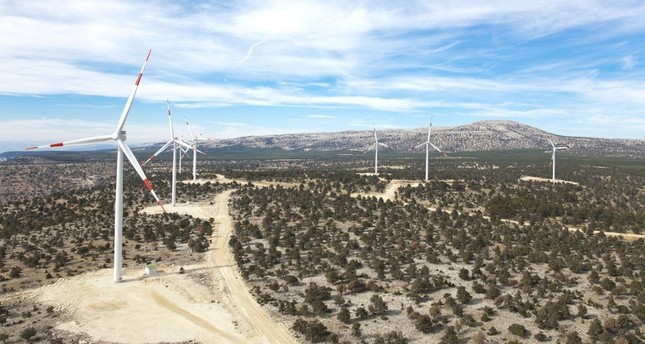
The high potential of Turkey’s renewable energy sector has drawn the interest of foreign investors, many of whom have already stressed their intentions of bidding on the upcoming 1,000 MW wind power tender

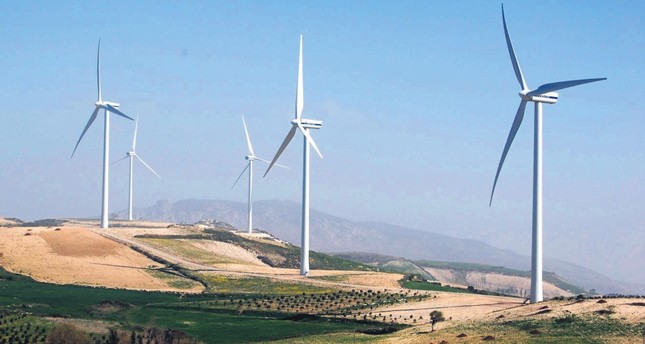
Operating in Turkey’s energy sector for almost 20 years, German energy company ENERCON GmbH is interested in the country’s latest Renewable Energy Resources Zone (YEKA) wind power plant project. The company is waiting for the announcement of the tender criteria and intends on bidding for the tender. ENERCON General Manager Hand-Dieter Kettwig stressed that the company makes significant contributions to the Turkish economy with the operation of wind farms, manufacturing turbine components and equipment, and with research and development activities. He also noted that ENERCON’s investments in Turkey’s wind power ensured mutual trust.

Referring to the recent developments in the Turkish economy, Kettwig highlighted that Turkey will take right and necessary steps and overcome this period. The stable and positive developments in industrialization and renewable energy policies will be one of the most determining factors.

“Increasing renewable energy investments will boost Turkey’s industrialization and ensure energy supply security; therefore, we are interested in the new wind power plant which will be built in the YEKA program.

European Wind Energy Association (EWEA) Chairman Giles Dickson underscored that Turkey has a bright future for wind power resources and an attractive investment environment.

Dickson stated that Turkey has introduced legislative amendments to increase renewable energy investments and boost the capacity of renewables while creating an attractive investment environment. “The recent volatility in the Turkish lira may seem like a hurdle for the Turkish economy, but Turkey has the potential to change its circumstances with the strong steps it will take. Turkey seems to be really committed to increasing its renewable capacity.”

ENERCON Turkey CEO Arif Günyar stressed that it is possible to increase the capacity of many wind power plants across Turkey, adding that raising the capacity of existing plants will expedite and revive investments.

Günyar also noted that research and development activities are ongoing at manufacturing facilities in Germany and Turkey. The latest ENERCON EP3 turbine, which was manufactured by Turkish and Germany engineers, will be put into mass production in the company’s Turkish plant.

Turkey plans to hold four 250-megawatt (MW) YEKA wind energy tenders for plants in Balıkesir, Çanakkale, Aydın and Muğla with an investment volume of around $1 billion.

The total 1,000 MW offered, which will be held in reverse auctions and is scheduled for realization by the end of this year, will be Turkey’s second YEKA project.

The tender stipulates that the winner in one of the four regions will have to construct at least 170 MW while not exceeding a maximum of 325 MW.

The draft specifies that the turbines used in the construction of the power plant need to have at least 46 percent local production. In addition, each turbine should have at least 3 MW of capacity.

The tender winner will sign a 15-year purchase agreement with the ministry under a power plant license that will run for 49 years. The tender for the first YEKA project of 1,000 MW was held last year in August, creating an investment volume of $1 billion. Eight consortia, including some of the world’s largest turbine manufacturers, participated in the tender.

The tender resulted in a world record feed-in-tariff at $3.48 per kilowatt-hour (kWh) offered by Siemens-Türkerler-Kalyon consortium. The total capacity will be installed in Sivas, Edirne, Kırklareli and Eskişehir.

The consortium will invest over $1 billion in wind facilities. With the introduction of domestic wind power plants, a minimum of 3 billion kWh of electricity will be generated each year, enough to meet the electricity demand of approximately 1.1 million households.

Further details in the news source

https://www.dailysabah.com/energy/2018/10/23/foreign-investors-interested-in-high-potential-of-turkeys-wind-power

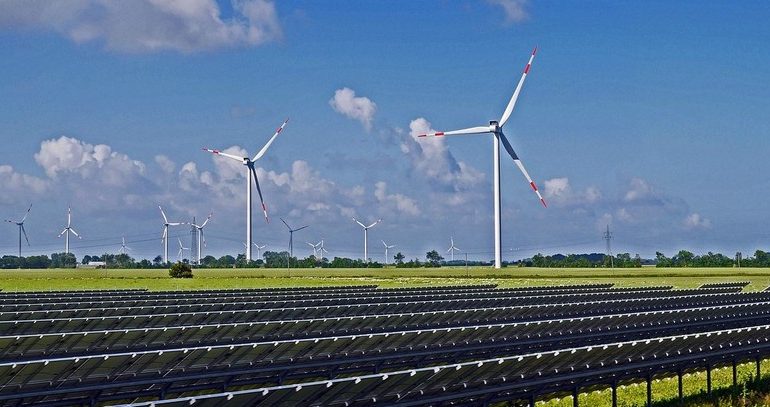
The European Bank for Reconstruction and Development (EBRD) is providing a financing package of up to USD 102 million to the renewable energy arm of the Turkish conglomerate Akfen Holding. The funds will be invested in building four new wind farms and nine solar photovoltaic (PV) plants with a combined capacity of 327 MW, the EBRD has said in a news release.

Akfen Renewable Energy, or Akfen Yenilenebilir Enerji as it is known in Turkey, owns and operates wind, solar, and hydropower plants. The EBRD and the International Finance Corporation (IFC), a member of the World Bank Group, are minority shareholders in the company with a 15.98% stake each.

The company is investing in four new wind farms with a total capacity of 242 MW: Ucpinar (99 MW), Kocalar (26 MW), and Hasanoba (51 MW) in Canakkale, a province in north-western Turkey on the Dardanelles Strait, and Denizli (66 MW) in the eponymous province in the south-west of the country.

The wind farms, once operational, are expected to save around 340,000 tonnes of greenhouse gas emissions per year.

For nine new solar photovoltaic plants in five locations across Turkey, the EBRD is lending up to USD 52 million. The combined capacity of the new solar PV plants will be 85 MW.

“With the projects that we will realise, we are taking firm steps towards our aim to reach a total installed capacity of 1,000 MW in clean energy generation by 2020. We will continue to make new investments and potential acquisitions, especially in the wind power sector, in the forthcoming period,” said Kayril Karabeyoglu, CEO of Akfen Renewable Energy.

Akfen seeks to become one of largest renewable energy producers in Turkey

Arvid Tuerkner, EBRD Managing Director in Turkey, said: “Renewable energy remains an attractive investment in Turkey.  Our new financing supports Akfen Holding’s ambition to become one of the largest producers of renewable energy in the country. It is yet another boost to the sector as Turkey is switching to domestically sourced power generation.”

Supporting this project is part of the EBRD’s larger efforts to help Turkey increase its share of renewables in the energy mix. In line with its renewable energy action plan developed by the country’s Ministry of Energy and Natural Resources with the support of the EBRD, Turkey aims to install 27 GW of non-hydro renewable generation capacity by 2023, 20 GW of which is expected to be wind and 5 GW licensed solar, according to the news release.

The EBRD is a major investor in Turkey. Since 2009 it has invested nearly EUR 11 billion in various sectors of the Turkish economy, with almost all investment in the private sector. Half of the Bank’s portfolio in Turkey constitutes investments that promote sustainable energy and resource use, according to the news release.

source of the news

https://balkangreenenergynews.com/akfen-to-build-4-new-wind-farms-9-pv-plants-with-ebrds-backing-of-up-to-usd-102-million/?fbclid=IwAR2XYQxniRVTMYS0IC-bkbfM8O0KmdwfIK0nR0EbwBlXz68otpDbrmVchZk

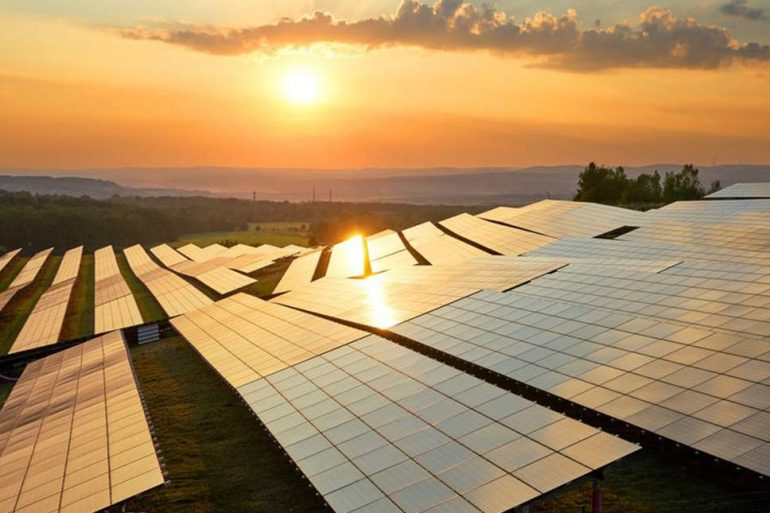
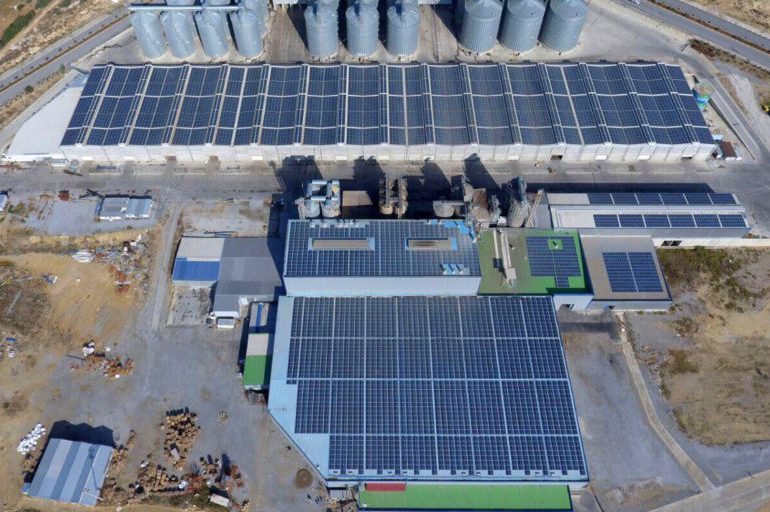
The Turkish subsidiary of German photovoltaic (PV) systems and energy storage company IBC Solar AG has commissioned a turnkey solar energy project with a total capacity of 1.161 MWp in Merkez near the Bulgarian border for Turkish textile company Edirne Giyim Sanayi, according to a press release from IBC Solar.
The ground-mounted PV plant with 4,224 polycrystalline modules was built for the textile company’s own electricity consumption and can cover 70% of its energy demand. With the completion and handover of the PV plant in mid-August 2018, IBC Solar Turkey has completed another large-scale PV project for the commercial direct-consumption of solar energy.

Investment in PV power plants with a self-consumption model is becoming increasingly attractive among Turkish companies amid rising electricity prices, according to the press release.

The plant commissioned for Edirne Giyim Sanayi is expected to produce 1.6 million kWh per year and prevent 916 tonnes of CO2 emissions.

IBC Solar, which is active internationally with numerous regional companies, sales offices, and partner companies in more than 30 countries, targets a 30% increase in international sales in 2018, Senior Vice President Solutions International Albert Engelbrecht said earlier.

Turkish currency crisis concerns spill over to solar market
Meanwhile, the Turkish lira’s freefall has led to investor concern, including on the solar market. The Turkish currency has lost around 40% against the US dollar so far this year over factors including US sanctions against Turkey and Iran, on which Ankara relies heavily for energy imports.

How Turkish PV developers will react remains unclear, although signs of lower levels of development have been visible this year, pv magazine wrote recently.

The first signal the market was experiencing difficulties came from state-owned grid operator, TEIAS, which for reported only 18 MW of new, registered and unlicensed PV capacity in July, compared newly registered unlicensed projects totaling more than 1.1 GW in the first quarter of 2018 and 2.5 GW in 2017, including 1.7 GW grid connected, pv magazine wrote.

In July, the Turkish government last month decided to authorize foreign exchange loans for approved unlicensed PV projects to reduce domestic foreign exchange exposure for investors and developers of PV projects of up to 1 MW.

According to Halil Demirdag, CEO of Turkish developer and PV panel manufacturer Smart Solar and president of Turkish Solar Energy Industry Association GENSED, the crisis may turn into an opportunity for Turkish solar, as it is now being called upon to help the country reduce its dependence on power imports, pv magazine wrote. “Turkey produces about 300 billion kWh of electricity every year, and only 7 billion kWh is [from] solar,” he said.

Demirdag believes the falling lira may also mean lower balance of system costs for solar parks. He also said that Turkey’s new minister of energy has announced that “net metering is coming” and that “every year the ministry will open new permits of 1,000 MW minimum, for next five years.”

IBC Solar commissions new PV plant, as lira crisis rattles solar market, but is also seen as opportunity